













Today, I’m taking a nostalgia trip. This is a personal guided tour through the monolithic cabinets that stand as monuments in our memory, a look back at the games that devoured our allowances, and the digital ghosts that taught me about obsession, frustration, and the pure joy of seeing my initials on a high-score screen.
Before diving headfirst into the neon-soaked 80s, I have to pay tribute to two games that laid the foundation for everything that followed. Technically, they were born in the 70s, but their influence was the bedrock for all a decade of masterpieces.
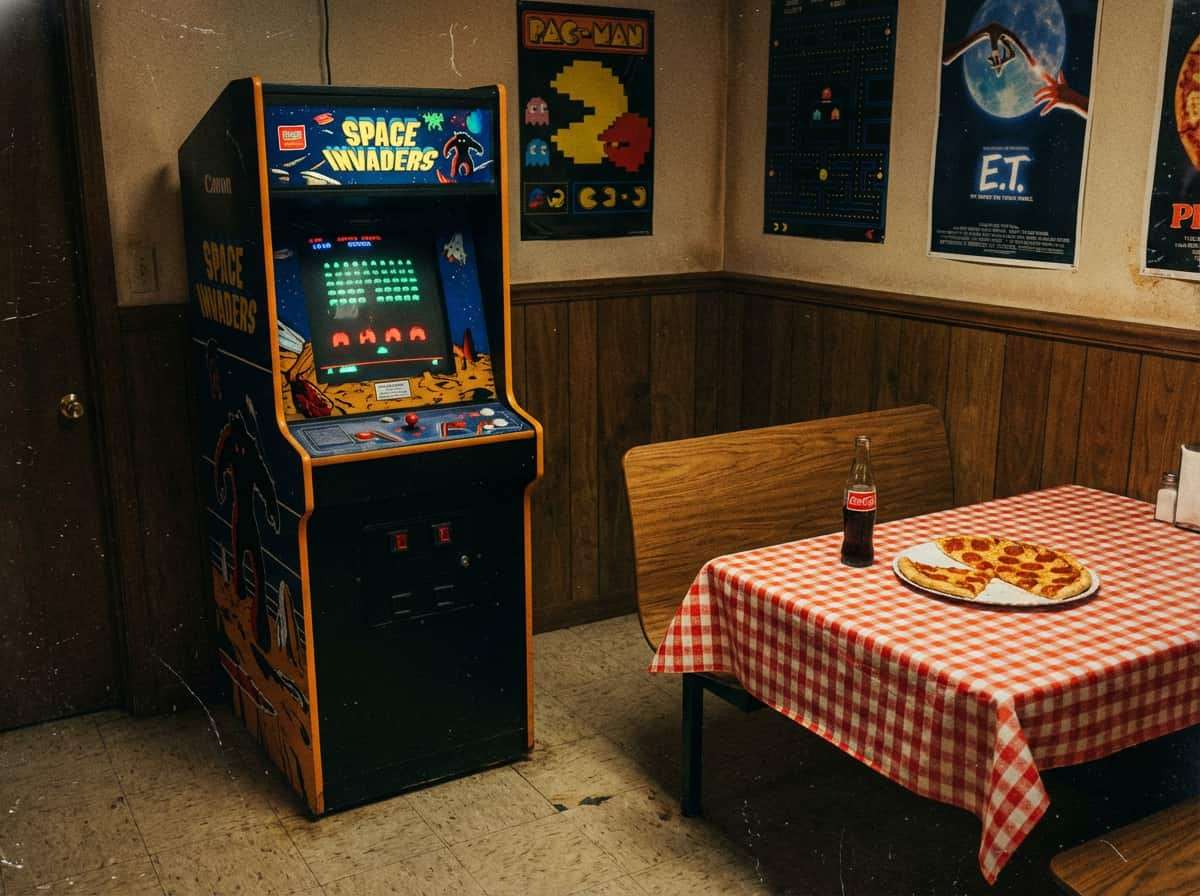
Space Invaders (1978): I remember the first time I saw this machine in a local pizza parlor. It just felt… alien. The relentless, methodical march of the black-and-white pixelated figures down the screen, the tempo of the four-note soundtrack accelerating as they got closer… it was pure genius. It created a tangible sense of anxiety I had never felt from a machine before. It wasn’t just about shooting targets; it was about defending your very existence against an unstoppable threat. Hiding behind those destructible shields, trying to time your shots perfectly, was a masterclass in tension.

Pac-Man (1980): If Space Invaders was a tense sci-fi thriller, Pac-Man was the world’s first video game rock star. The cabinet was bright yellow, a happy beacon in a dimly lit arcade. This was a game that wasn’t about violence or shooting; it was about… eating. And running.
Everyone played Pac-Man. The characters—Blinky, Pinky, Inky, and Clyde—were the first video game personalities. I was obsessed with finding the “patterns,” the secret routes that would keep Pac-Man safe for a few precious seconds. I traded these patterns on the schoolyard like they were sacred texts. And the thrill of gobbling that first Power Pellet, turning the tables, and chasing the ghosts? Pure bliss.

The Golden Age (1981-1983): A Cambrian Explosion of Creativity
As arcades became wildly profitable, the early 80s became a Cambrian explosion for new ideas. Developers weren’t just iterating; they were inventing entire genres.
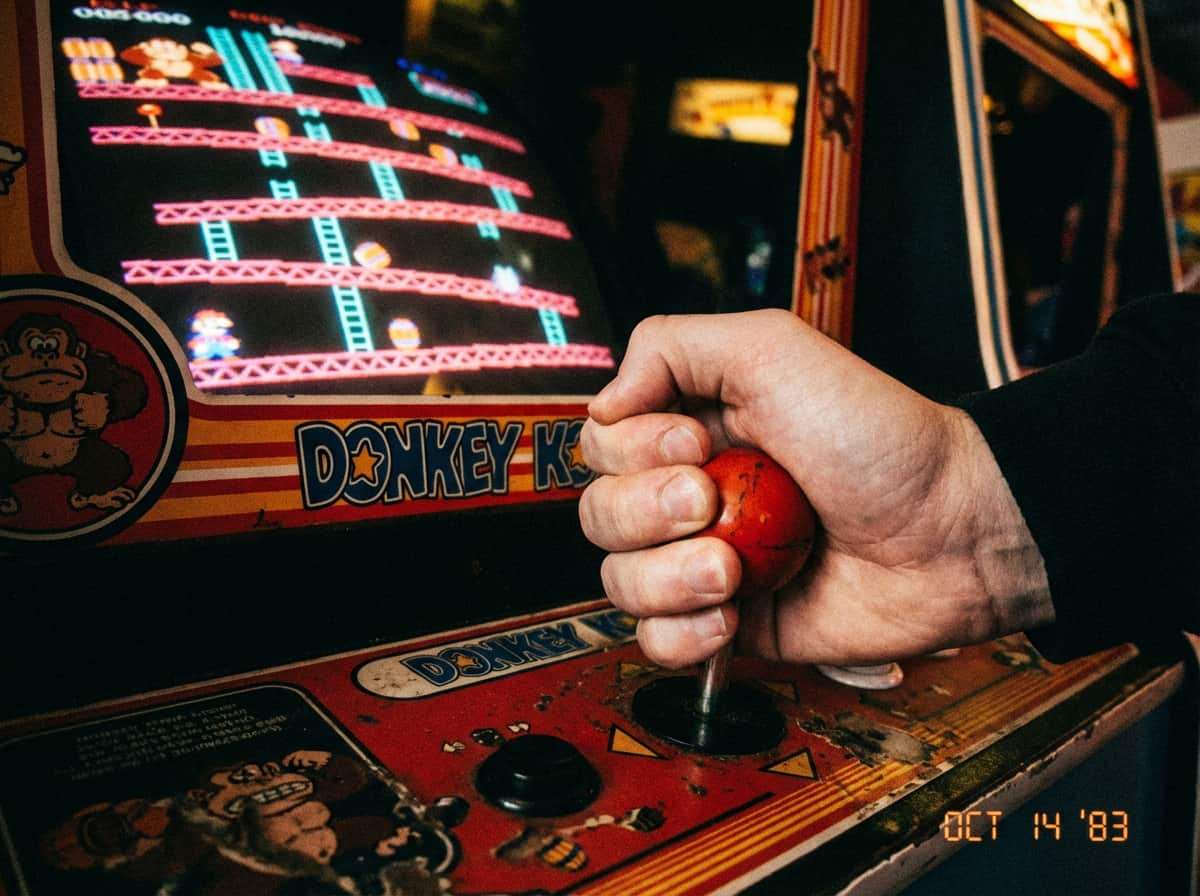
Donkey Kong (1981): This is one of the most important video games ever made. It wasn’t just a game; it was a story. For the first time, there was a clear narrative: a giant ape kidnaps a girl, and a heroic carpenter must save her. It introduced a named protagonist, "Jumpman," who would later get a better agent, change his name to "Mario," and almost single-handedly create the platforming genre.
I can still feel the unique resistance of that red joystick. Those four single-screen levels were a brutal but fair challenge. The game demanded precision—mastering the timing of rolling barrels, the rhythm of bouncing springs, and the movement of fireballs. Reaching the top, pulling the pin, and watching DK fall was a moment of pure, unadulterated victory.

Galaga (1981): This game took the Space Invaders formula and perfected it. Instead of just marching in formation, the enemies dove at you in elegant, deadly ballets. The sound design was superb, a sci-fi chorus of whirs and explosions. But its true stroke of genius was twofold. First, the "Challenging Stages"—a brilliant, pressure-free way to score points and catch your breath. Second, the risk-reward mechanic of the Boss Galaga's tractor beam. It could capture one of your ships, which you could later rescue to gain a double-firepower dual fighter. I can’t count how many times I took that risk, heart pounding, praying I could pull off the rescue.
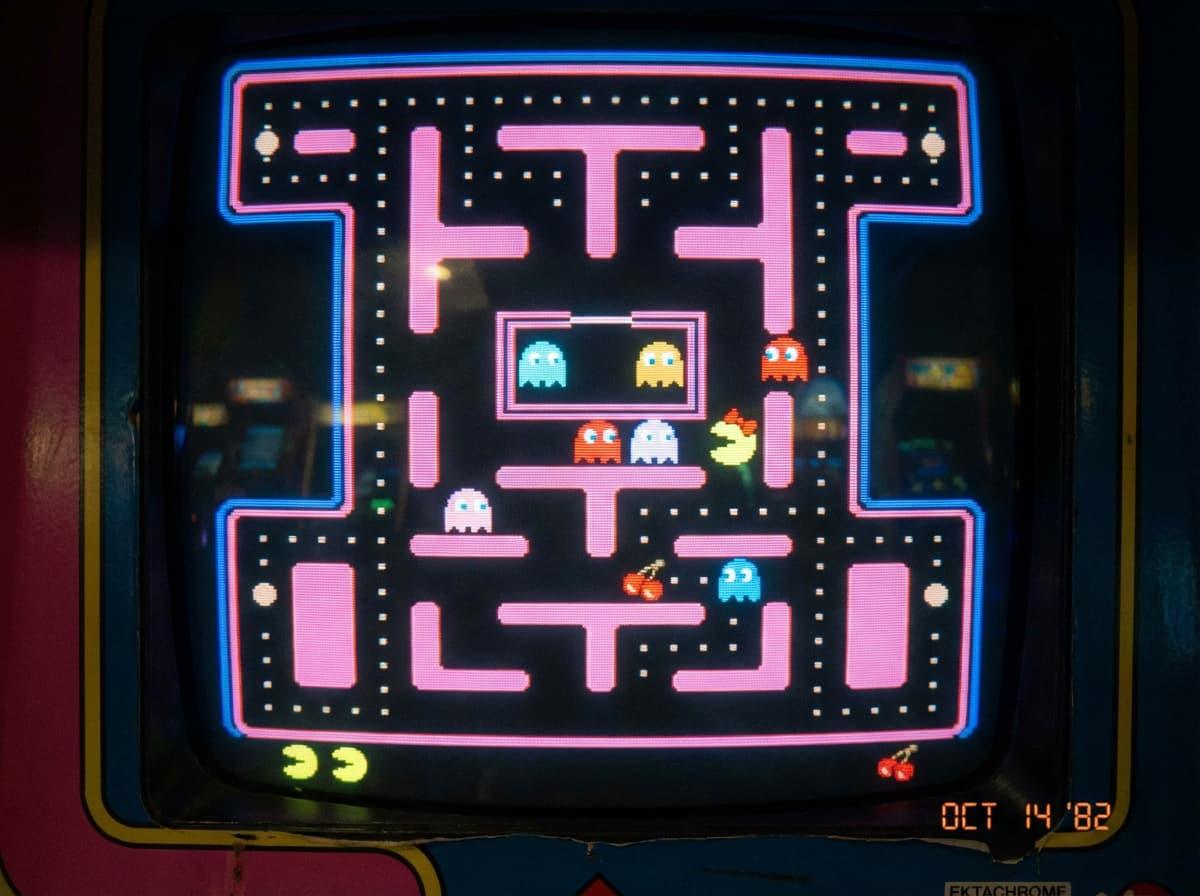
Ms. Pac-Man (1982): Ms. Pac-Man started its life as a bootleg "enhancement kit" called Crazy Otto. Midway saw the genius in it, bought the rights, and turned it into the greatest video game sequel of the era. It fixed everything. Instead of one static maze, there were four different, more complex ones. The ghosts were smarter and their patterns less predictable. The fruit bounced around the maze instead of appearing in the center. It was faster, more dynamic, and exponentially more replayable.
As the golden age flourished, developers started getting weird, pushing the limits of what a quarter could buy.
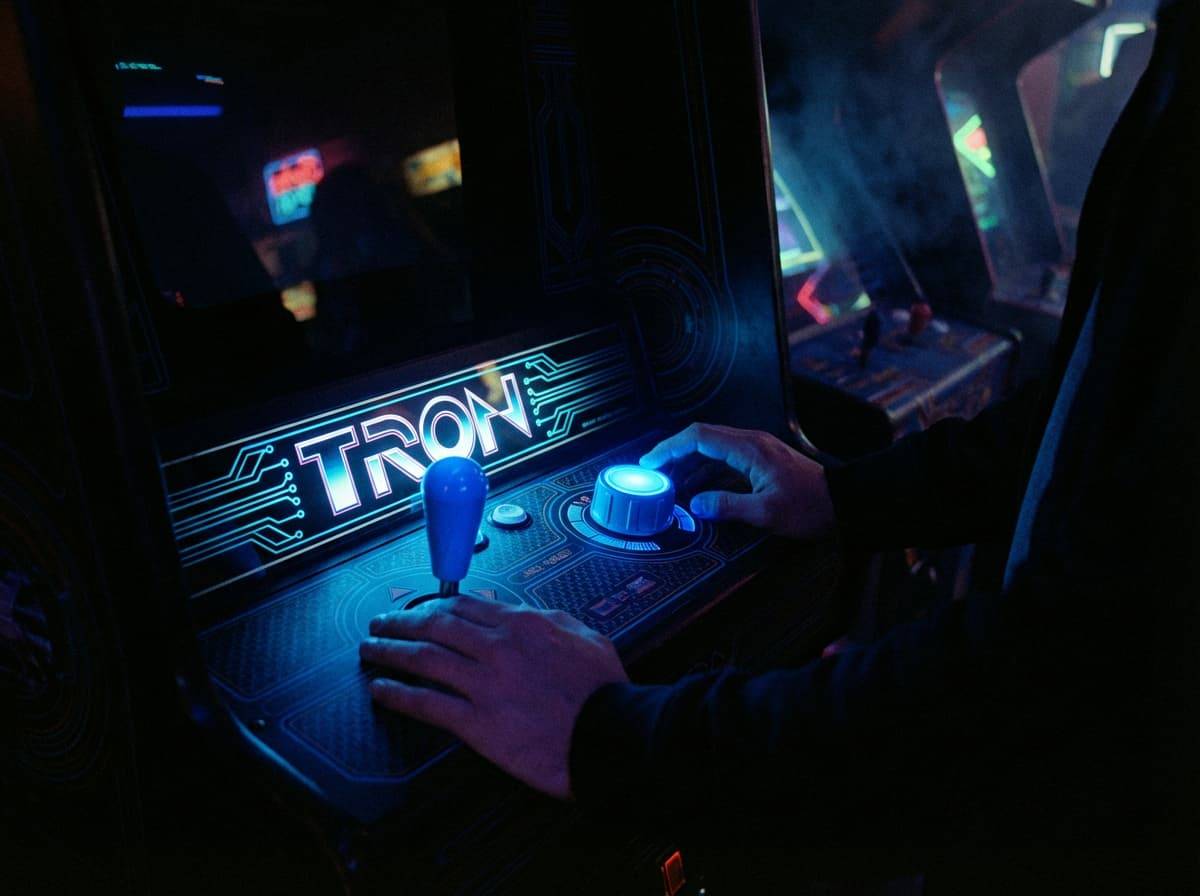
Tron (1982): Movie tie-in games were usually cheap cash-ins, but Tron was the exception. It didn't just adapt the movie; it felt like you were jacking into the Grid. The cabinet itself was a work of art, with black-light reactive panels that glowed like the film’s aesthetic. But the controls were the star: a weighted, flight-stick-style glowing blue joystick and a rotary dial for aiming. The game was split into four distinct sub-games—Light Cycles, Grid Bugs, Tanks, and the MCP Cone—each a frantic challenge. It was one of the first games that felt like a complete, immersive world.
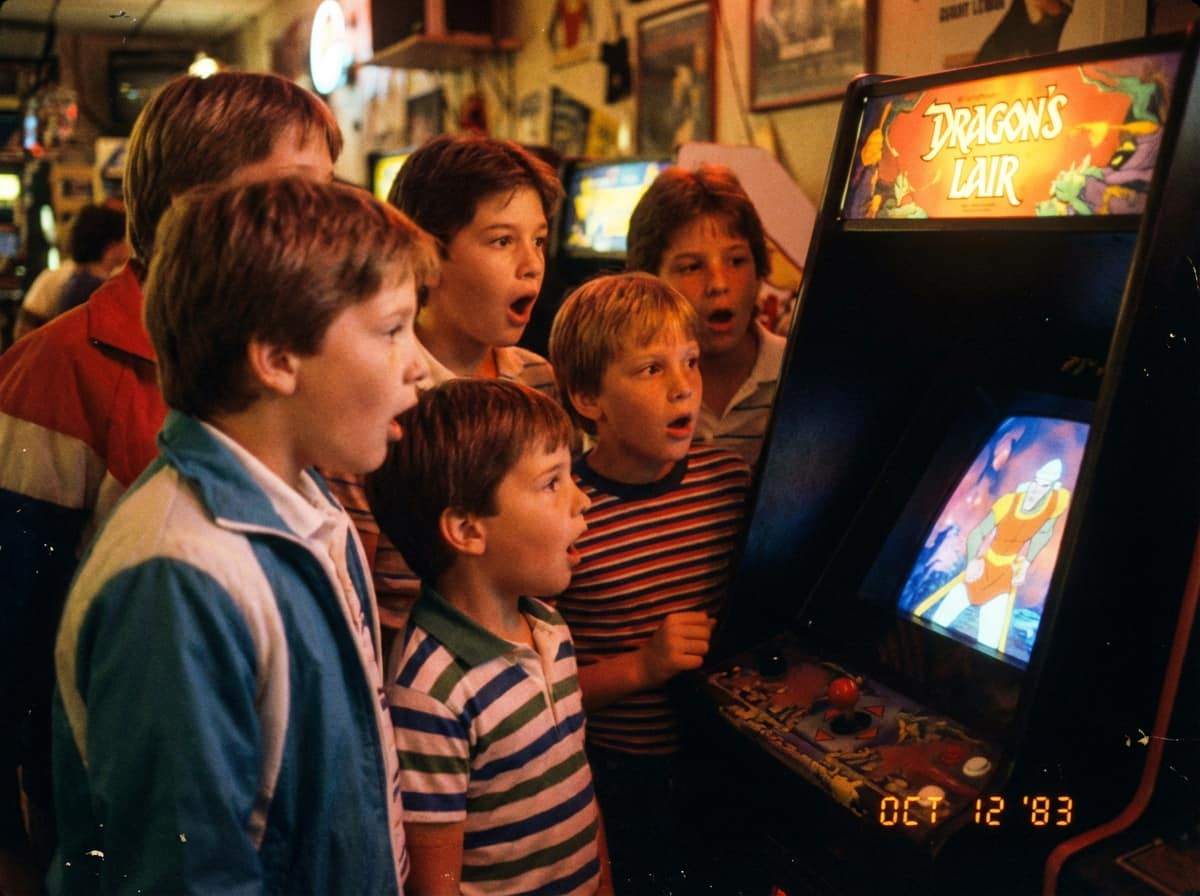
Dragon's Lair (1983): This was the game that stopped you in your tracks. In an era of blocky 8-bit sprites, Dragon's Lair was a full-on Don Bluth animated cartoon. It ran on a LaserDisc player, offering a level of visual fidelity we had never seen. It cost a whopping 50 cents to play, and there was always a crowd around it. You played as Dirk the Daring, a comically clumsy knight, navigating a castle full of traps and monsters.
But here’s the thing… was it a good game? That’s debatable. It was essentially a high-stakes version of "Simon Says." The screen would flash, and you had to push the joystick in the right direction or hit the sword button at the exact right time. One wrong move triggered a unique and often hilarious death animation. It was a masterpiece of trial-and-error memorization, not skill. While visually stunning, it felt more like an interactive movie than a game. Still, no list of classic 80s arcade games is complete without mentioning the jaw-dropping awe of seeing Dragon's Lair for the first time.
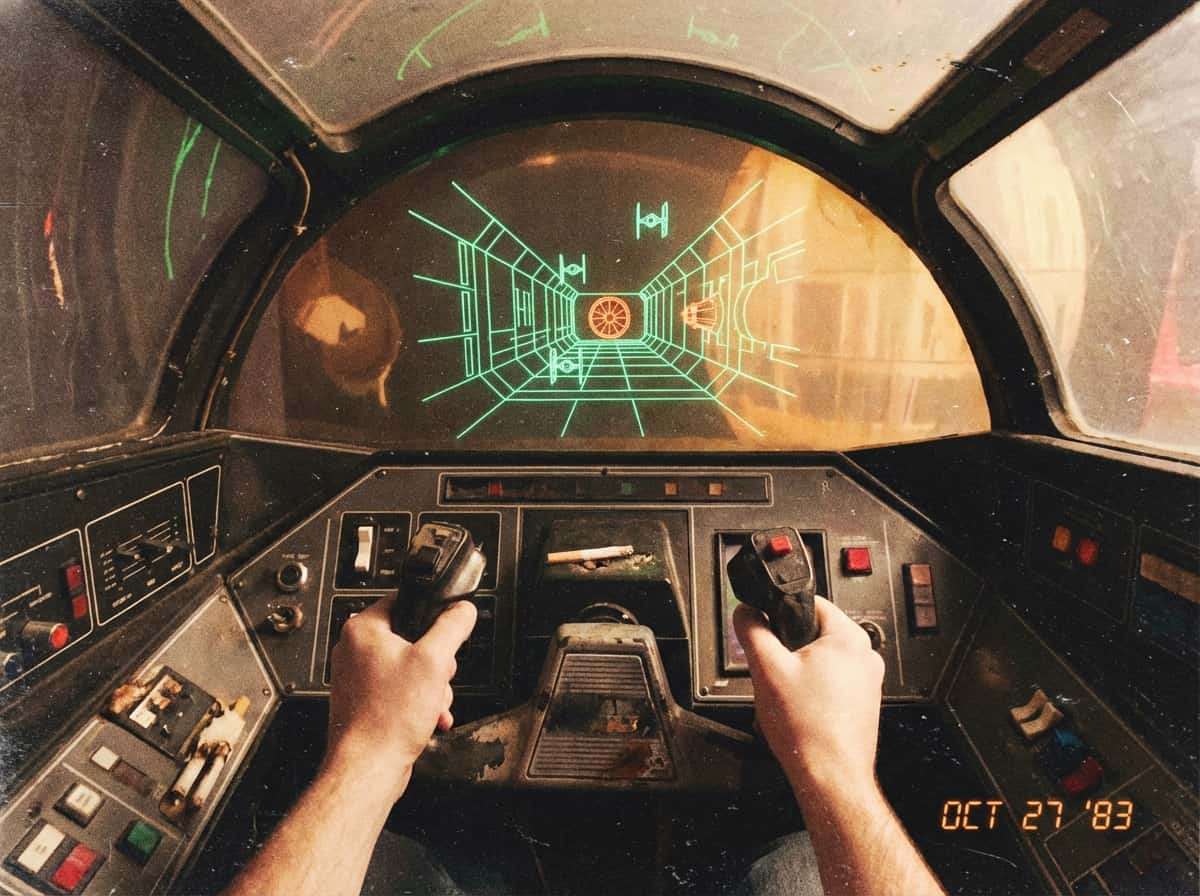
Star Wars (1983): This was the holy grail. Atari’s Star Wars, with its color vector graphics, was the ultimate wish-fulfillment machine—especially if you were lucky enough to find the sit-down cockpit cabinet. Sliding into that seat and gripping the flight yoke controller with its red trigger buttons… for that moment, I was Luke Skywalker, piloting an X-wing.
The video game crash of '83 and the rise of powerful home consoles like the NES changed the landscape. But the DNA of those early arcade cabinets lives in every game we play today. They established genres and created character archetypes.
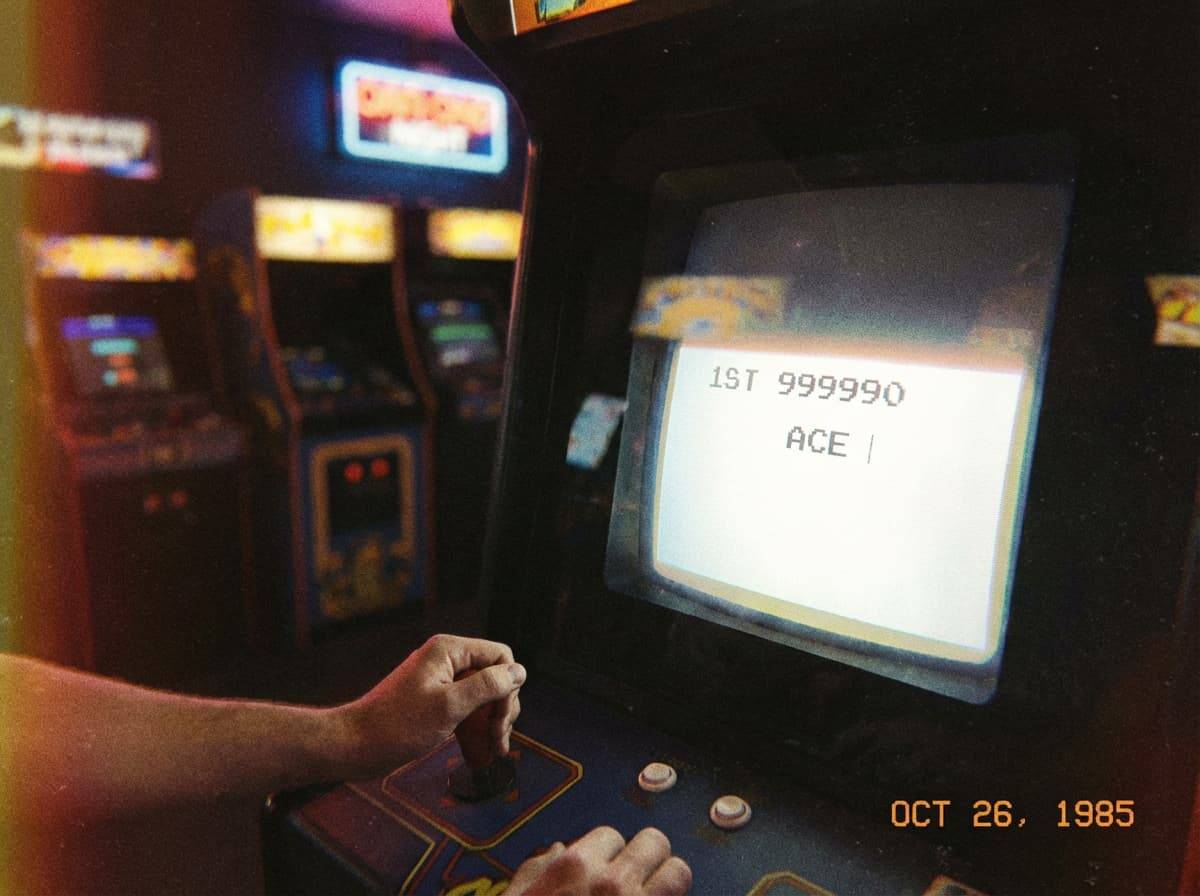
They were also our first social networks. We gathered to cheer on our friends, trade strategies for a tough boss, or leave our three initials on the high-score list as a badge of honor.
My hometown arcade is long gone, but the spirit remains. Those classic 80s arcade games were more than a pastime. They were a cultural touchstone, a proving ground, and a portal to other worlds. They taught me to be bold, to be persistent, and that with just one more quarter, victory could be within reach.
What was your go-to game? Which machine ate all your quarters? Share your memories!