













If you are a logic nerd, a perfectionist, or just someone desperately trying to avoid doing actual work, you are my people. Let me introduce you to the game that is currently saving my sanity and serving as my mental sanctuary: Draw Wire.
At first glance, Draw Wire looks ridiculously simple. It falls into that classic "connect the dots" or "number link" puzzle genre.
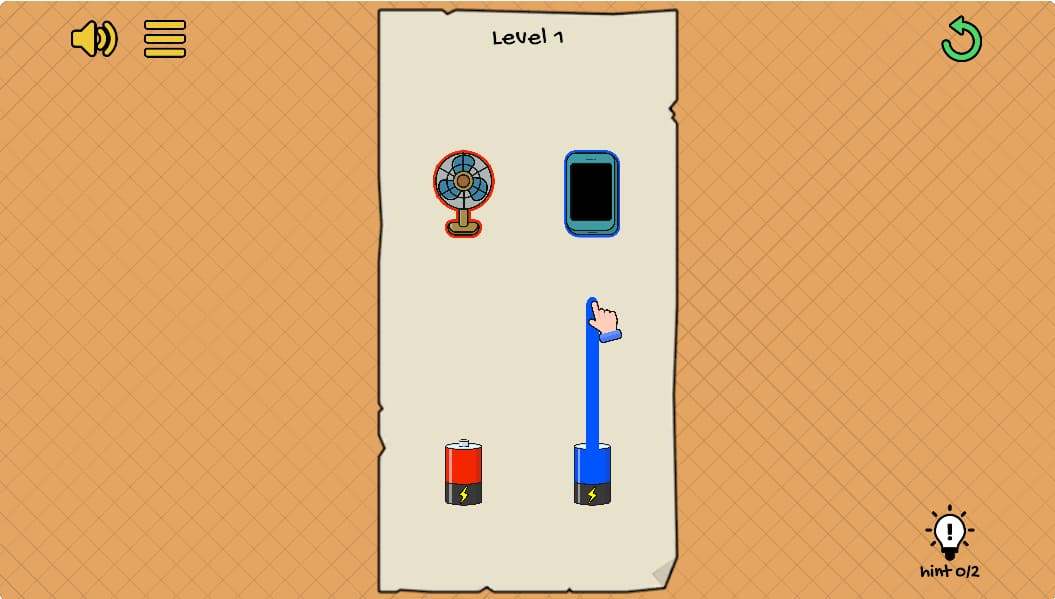
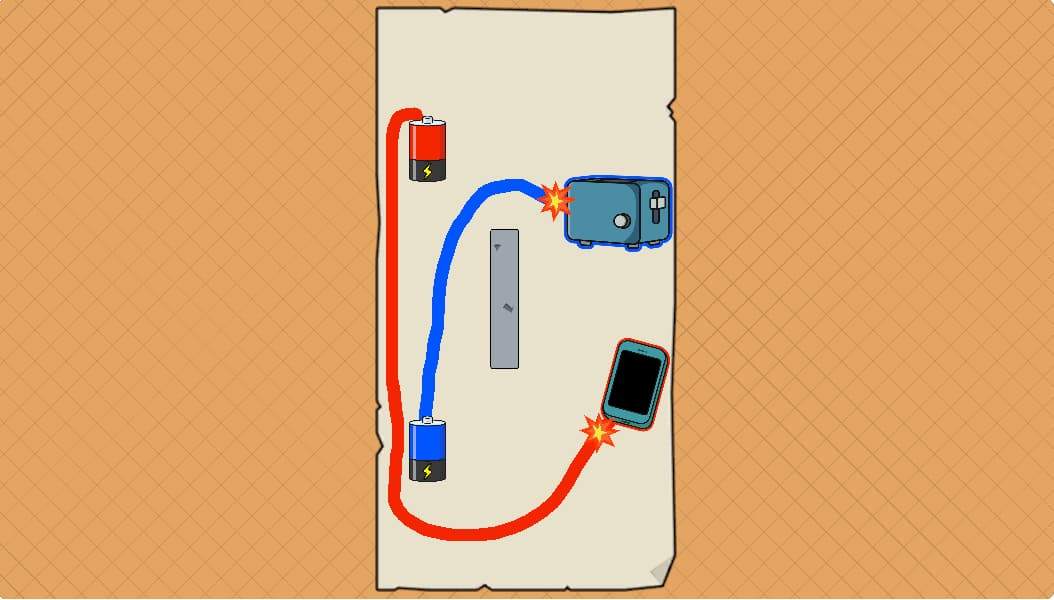
You get a grid and several pairs of matching components—maybe they look like batteries, chips, or appliances.
T Connect the matching colors with wires to power them up.
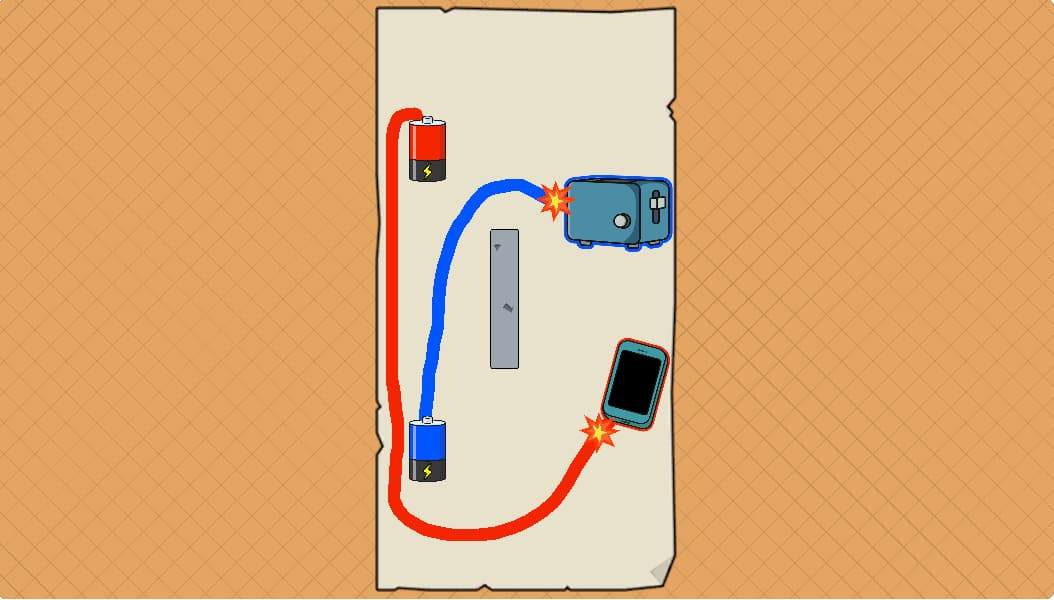
Lines cannot cross (or you'll short-circuit).
What starts as a simple game of "connect the matching colors" quickly turns into an IQ test that makes you question your life choices.
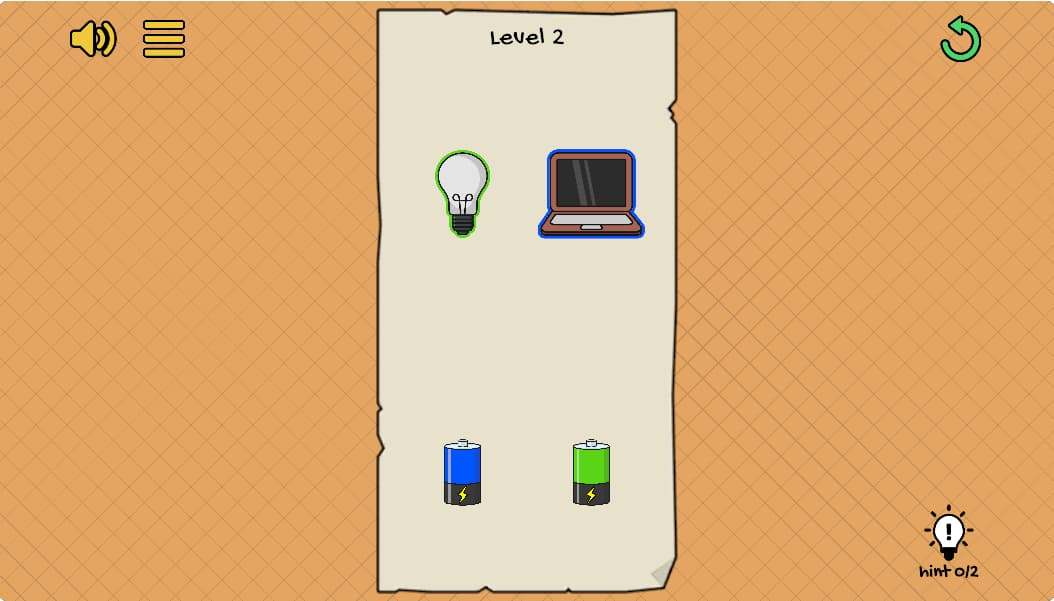
The art style is surprisingly slick; it doesn't look childish at all. It usually features dark backgrounds with high-contrast neon lines, looking suspiciously like engineering schematics. It’s clean. It’s minimal.
The best part? If a coworker walks by your desk, it legitimately looks like you are working on some complex technical diagram.
I classify Draw Wire as a game of "Zen meets Rage."
It hits that deep psychological need for order. The real world is chaotic—the news is bad, the laundry is piling up, and that project at work is a mess. But inside Draw Wire, everything has a place. Every level has a perfect solution.
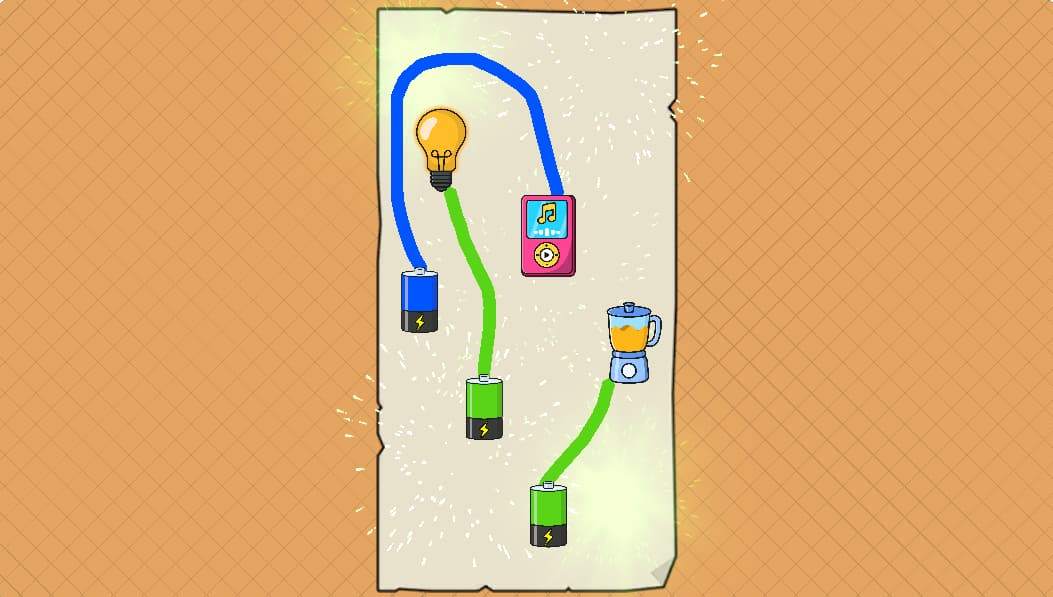
When you snake that final blue line perfectly into the only remaining gap and the screen flashes "Level Complete," the dopamine hit is better than a double shot of espresso.
For perfectionists (or anyone with a touch of OCD), seeing that last appliance get powered up is as satisfying as watching power-washing videos on YouTube. Pure stress relief.
Draw Wire doesn't test your reaction time; it tests your Spatial Management.
When the grid expands from a baby 5x5 to a labyrinthine 10x10, things get real. The maps start introducing "overpasses." You deal with stubborn obstacles and weirdly shaped board edges. The moment of despair comes when you realize you have exactly one empty square left in a corner that no line can reach. You have to tear it all down and start over.
After sinking countless hours into this, here are some tips to save your brain cells:
Always connect the lines that run along the edge of the board first. If a color can follow the perimeter, make it do so. Work from the outside in, saving the messy middle section for last.
You see two red dots right next to each other? You want to connect them immediately, right? Stop. Sometimes those two close points need to take a long, winding scenic route around the board just to fill up distant empty space. If you connect them directly, you might block everyone else.
Look for "bottlenecks"—narrow gaps where only one line can fit. Figure out which color must pass through there. Once you lock that line in, the rest of the puzzle often solves itself.
If you’ve been staring at the screen for 5 minutes and the lines look like glowing spaghetti, hit "Reset." Your brain gets stuck in a loop; clearing the board clears your mental cache.
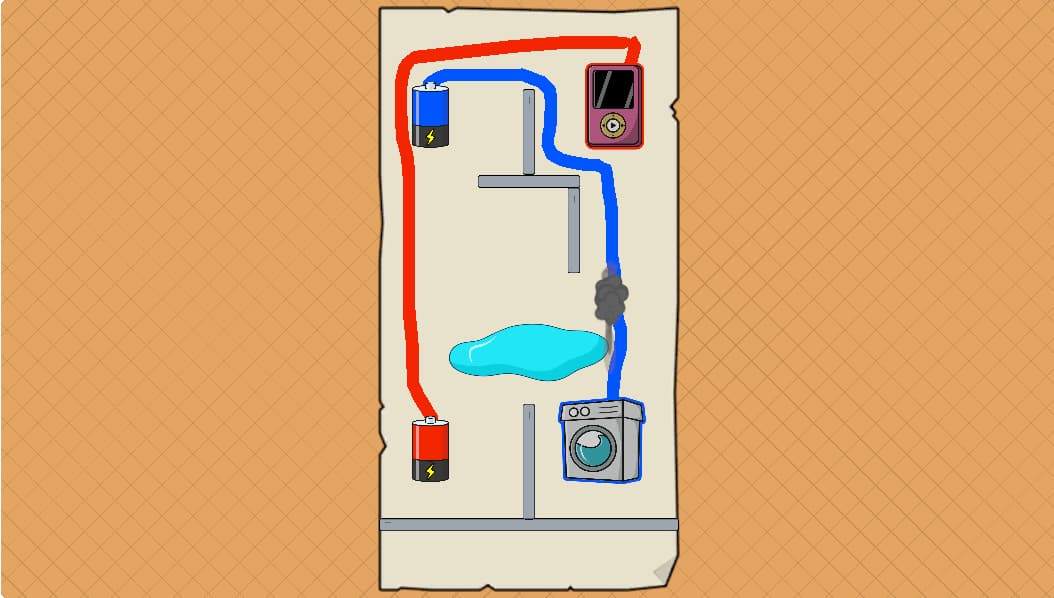
Thanks to its dark mode aesthetic and schematic look, Draw Wire is an S-Tier tool for looking busy at work. But you still need a poker face.
It won't win "Game of the Year." It has no story, no 4K graphics, and no multiplayer. But it does one thing perfectly: it creates order out of chaos.
Spending 10 minutes untangling a mess of lines is a form of self-healing. It’s relaxing, it’s brain-burning, and honestly, it’s the best way to tune out your boss without them noticing.
👉Need that satisfying dopamine hit? Click here to play Draw Wire.