Play Now: Village Builder
Hey everyone, it's Autumn here.
I've been in the gaming scene for over a decade. From the days of Red Alert and Age of Empires to Civilization and Cities: Skylines, I've found a pattern: the simpler the graphics and the lower the polygon count, the more likely a game is to be a massive "time killer."
Recently, I've been playing this game called "Village Builder." At first glance, it looks like a block game for kids, but once I got my hands on it, I realized: isn't this basically a simplified version of Dorfromantik?
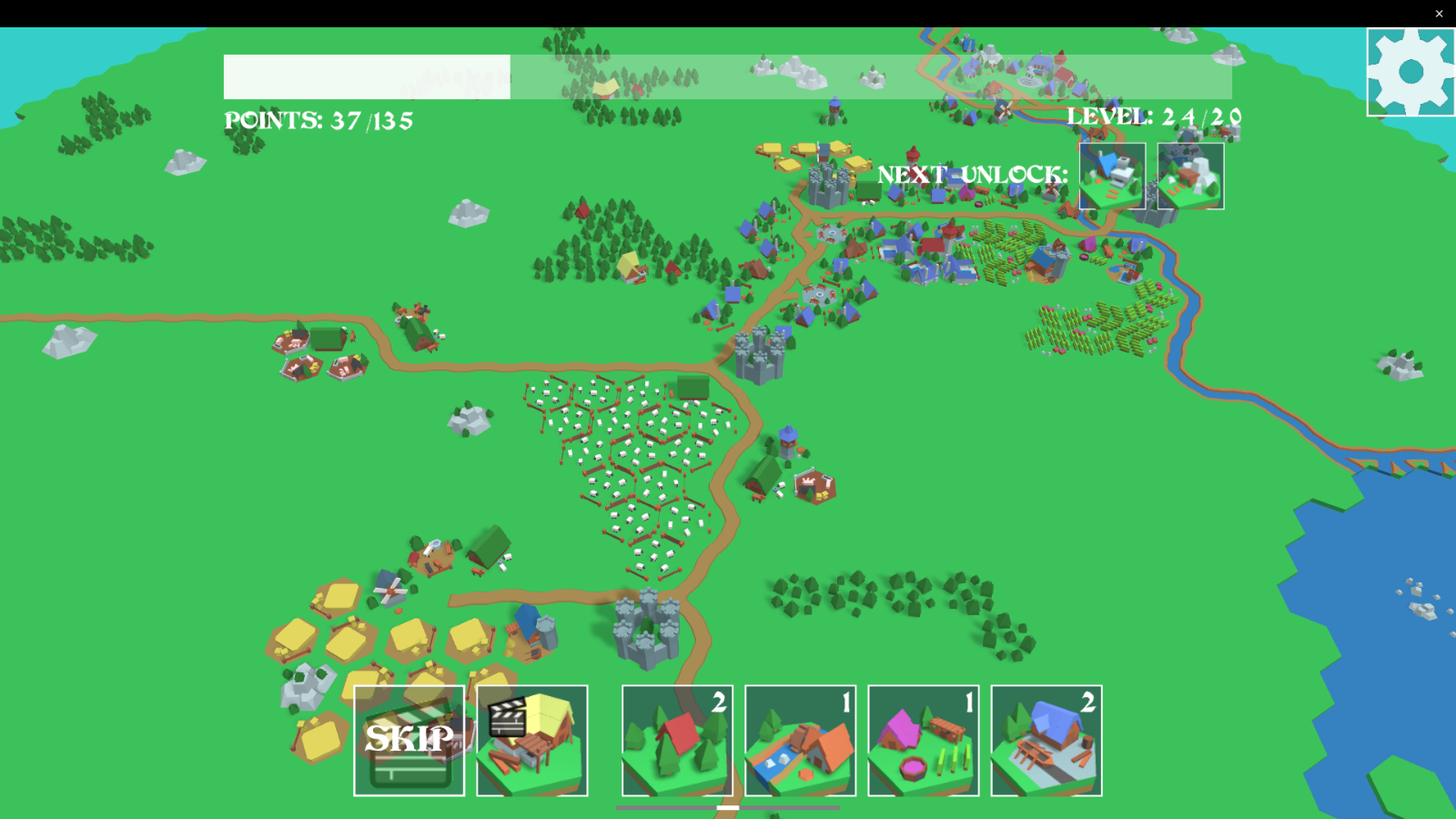
There's no fighting or killing, and you don't need to worry about the daily needs of unruly citizens. It actually tests the two words veteran gamers love the most: Planning.
If you want to rack up a high score while slacking off at work or during your lunch break, you'd better listen to these "lessons learned the hard way."
1. Don't be fooled by "Building" – The core is "Synergy"
Many newbies start off playing this like SimCity, thinking houses look nice next to forests, or farms need to be by the river for irrigation—Stop! Don't think like that!
In the game's code logic, only "Like Attracts Like" and "Specific Combos" will get you high scores.
The "Huddle Together" Principle:
This is the most basic rule. Houses must be placed next to houses; trees must be connected to trees. Throwing a lonely house in the middle of a grassy field is basically wasting a card. You must connect tiles with the same attributes into a cluster; the score growth is exponential.
Find the Core Buff Machines:
Have you played Auto Chess? This game also has the concept of "attachments" or buffers. For example: Windmills are to Farms, Castles are to Houses, and Lumber Mills are to Forests.
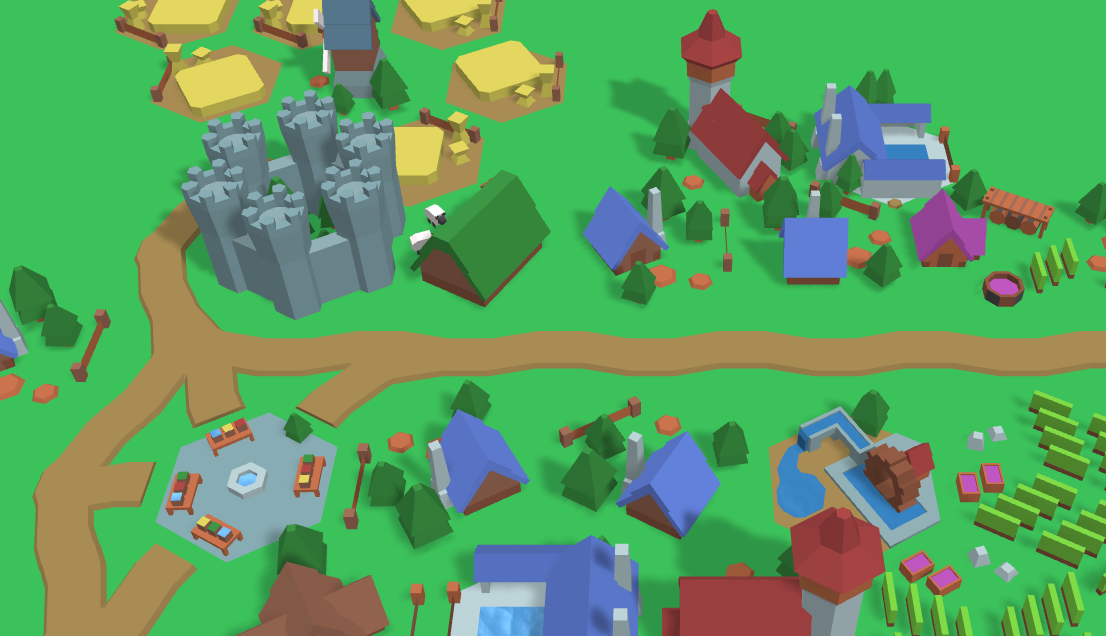
When you draw a rare building card like a Windmill or a Castle, never just throw it into a random empty spot. You must place it in the center of a reserved open space, and then, like stars surrounding the moon, build the subsequent farms or houses layer by layer around it. Watching that score jump is absolutely refreshing.
2. Map Planning: The Art of Leaving Space
In this kind of hexagonal puzzle game, the biggest fear is blocking yourself in.
About the Road Network:
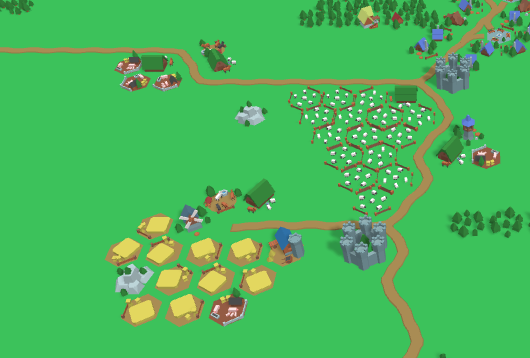
Roads are great things; they connect different areas. But they are also "terrain killers." Don't fragment your roads too much. Try to build one main artery that spreads outward. Because often, if both sides of a road get sealed off, it becomes very hard to slot in large building clusters later.
Edge Phobia:
Try to develop towards the open areas of the map. Although being near the sea or mountains might offer special bonuses, for beginners, the vast plains are the breeding ground for high scores. Once you get stuck by the terrain and are holding a "Castle Card" that takes up a lot of space but have nowhere to put it, you'll know what despair feels like.
3. Pacing Control: Keep an Eye on the "Next Unlock" at the Top Right
Although the UI is simple, it contains a lot of information. As a veteran strategy player, I never just look at the card in my hand; I look at the next one, or even what unlocks after that.

If the system warns you that a "Church" or "Large Farm" is about to unlock, your current layout needs to start leaving a backhand (a backup plan). Don't fill up the good plots with random bushes; save a neat, empty space for the incoming "Big Guy."
4. Mindset: That Damn "Skip" Button
There is usually a Skip or reset hand function in the interface.
Autumn's Advice: Use sparingly, unless absolutely necessary!

In many games like this, skipping costs points or consumes precious resources. Sometimes, even if the card is trash (like a single small rock), it's better to "garbage sort" it into a corner at the edge of the map than to skip it directly.
After all, every little bit counts ("mosquito legs are meat too"). The more tiles you place, the more combo opportunities you'll have in the late game.
Summary
Playing Village Builder is a therapeutic process for OCD.
Early Game: Play it safe, accumulate small farms, and plant small forests.
Mid Game: Develop large districts around core buildings (Castles/Windmills).
Late Game: Fill in the gaps and complete the puzzle on the map.
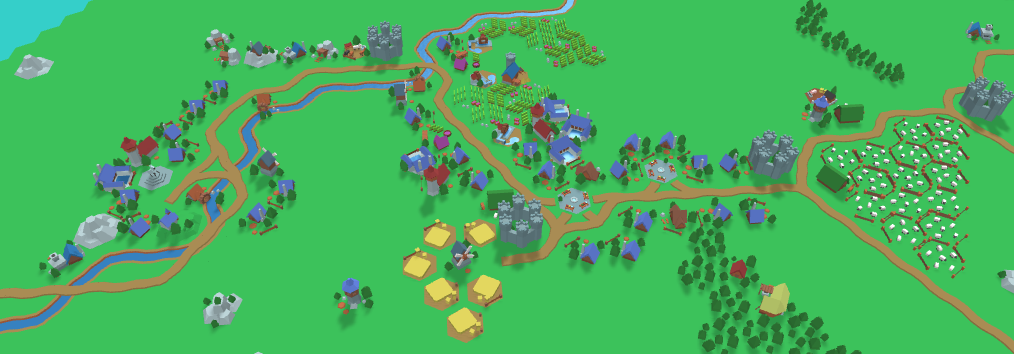
Don't let the simple graphics fool you. When you turn a wasteland into an organized hexagonal empire and watch the points skyrocket, that dopamine rush isn't any less than what you get from a AAA title.
Happy slacking, everyone!